

Introduction
The future of smart devices in everyday life is becoming more exciting with each passing year. From simple gadgets like smartwatches to advanced systems that control entire homes, technology is changing how people live, work, and communicate. Today, smart devices are no longer limited to tech enthusiasts. Instead, they are becoming part of daily routines for beginners and experienced users alike.
As technology continues to evolve, smart devices are becoming more intelligent, connected, and user-friendly. They can now learn habits, respond to voice commands, and even make decisions based on data. Because of this, people are saving time, improving comfort, and increasing productivity in ways that were once impossible.
Moreover, the future of smart devices in everyday life is not just about convenience. It is also about improving safety, health, and energy efficiency. For example, smart home systems can reduce electricity usage, while wearable devices can track health in real time.
What is Future of Smart Devices in Everyday Life?
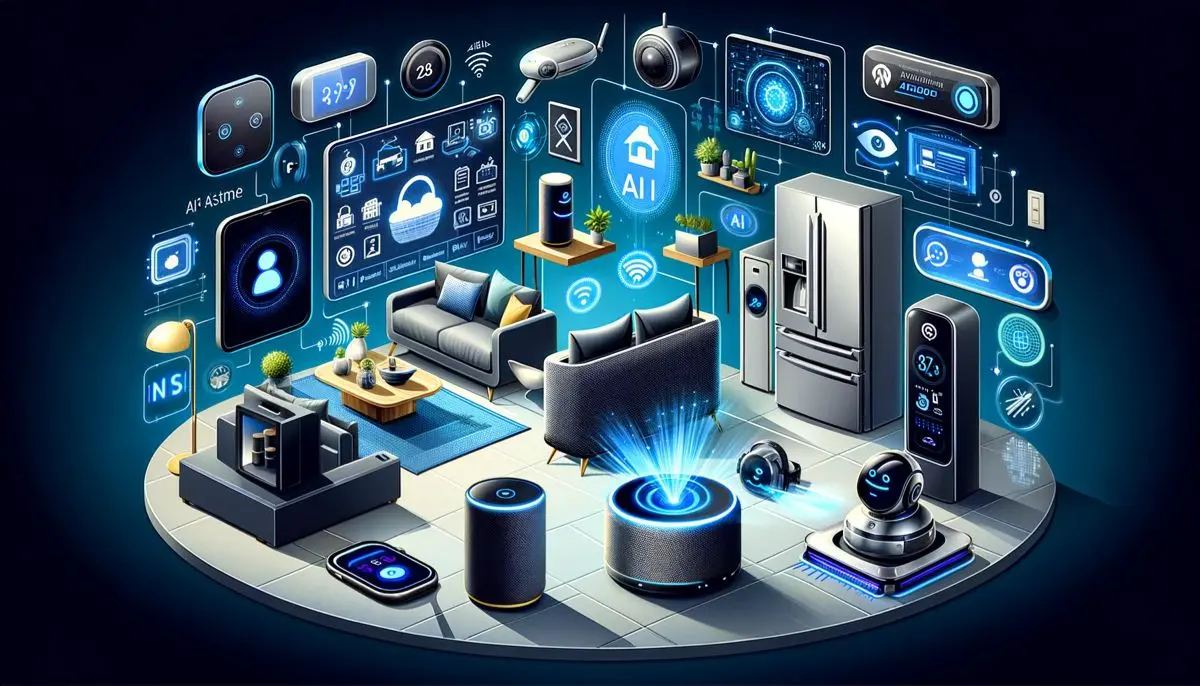
The future of smart devices in everyday life refers to the growing use of connected and intelligent devices that make daily tasks easier and more efficient. These devices use technologies like artificial intelligence, the internet, and sensors to perform tasks automatically.
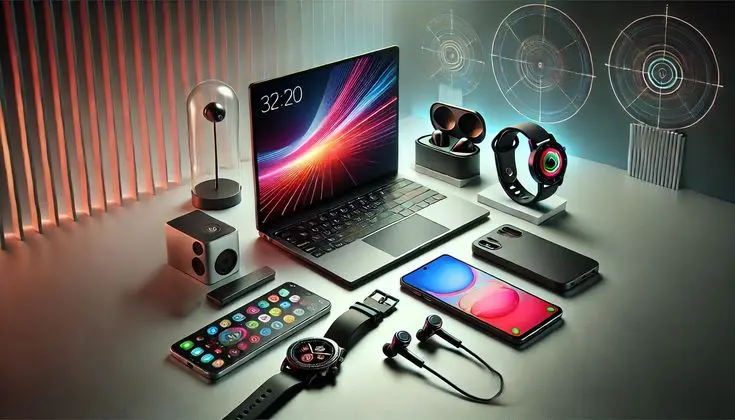
Smart devices include a wide range of products. For instance, smartphones, smart TVs, smart refrigerators, and wearable fitness trackers all fall into this category. These devices can connect to the internet and communicate with each other, creating a smart ecosystem.
In the future, these devices will become even more advanced. They will not only follow commands but also predict user needs. For example, a smart thermostat may adjust room temperature based on your routine without needing manual input.
Additionally, smart devices will be more integrated into daily life. They will work together seamlessly, creating a connected environment where everything is controlled easily. This is why the future of smart devices in everyday life is seen as a major step toward a more efficient and comfortable lifestyle.
Why is Future of Smart Devices in Everyday Life Important?
The future of smart devices in everyday life is important because it improves how people manage their daily activities. These devices help save time, reduce effort, and increase productivity.
First of all, smart devices simplify tasks. For example, voice assistants can set reminders, play music, or control home appliances without physical effort. This makes life easier, especially for busy individuals.
Secondly, they improve safety. Smart security systems can monitor homes, detect unusual activity, and send alerts instantly. As a result, people feel more secure even when they are away.
Another important aspect is health. Wearable devices can track heart rate, sleep patterns, and physical activity. This helps users stay aware of their health and make better lifestyle choices.
Furthermore, the future of smart devices in everyday life also supports sustainability. Smart systems can reduce energy consumption by optimizing usage, which is beneficial for both the environment and household expenses.
Detailed Step-by-Step Guide
Step 1: Understand Your Needs
Before adopting smart devices, it is important to identify your needs. Think about which tasks you want to simplify.
For example:
- Do you want better home security?
- Do you need help managing daily schedules?
- Are you focused on improving health?
Understanding your goals will help you choose the right devices.
Step 2: Start with Basic Smart Devices
It is better to begin with simple devices instead of complex systems.
Some beginner-friendly options include:
- Smart speakers
- Smart bulbs
- Fitness trackers
These devices are easy to use and provide immediate benefits.
Step 3: Connect Devices to a Central System
Once you have basic devices, connect them to a central system or app. This allows you to control everything from one place.
For instance, you can use a smartphone to manage lighting, temperature, and security.
Step 4: Learn Automation Features
Automation is a key part of the future of smart devices in everyday life. It allows devices to perform tasks automatically.
Examples include:
- Lights turning on at sunset
- Thermostats adjusting temperature based on time
- Alarms triggering when motion is detected
Learning these features can greatly improve convenience.
Step 5: Ensure Security and Privacy
As you use more smart devices, protecting your data becomes important.
Follow these practices:
- Use strong passwords
- Update software regularly
- Avoid connecting to insecure networks
This will help keep your information safe.
Step 6: Upgrade Gradually
Instead of buying everything at once, upgrade your system slowly. This allows you to understand each device and avoid unnecessary spending.
Over time, you can build a fully connected smart environment.
Benefits of Future of Smart Devices in Everyday Life
- Saves time by automating daily tasks
- Increases convenience and comfort
- Improves home security
- Helps monitor health and fitness
- Reduces energy consumption
- Enhances productivity at work
- Provides better control over daily routines
- Supports smart living environments
Disadvantages / Risks
- Privacy concerns due to data collection
- High initial cost for advanced devices
- Dependence on internet connectivity
- Risk of hacking or cyber attacks
- Compatibility issues between devices
- Learning curve for new users
Common Mistakes to Avoid
Many people make mistakes when adopting smart devices. Avoiding these errors can improve your experience.
One common mistake is buying too many devices at once. This can be overwhelming and difficult to manage. Instead, start small and expand gradually.
Another mistake is ignoring security settings. Many users do not change default passwords, which increases the risk of hacking.
Also, some people do not check compatibility before buying devices. As a result, their gadgets may not work together properly.
Additionally, relying completely on automation without understanding how devices work can cause problems. It is important to learn basic functions.
Lastly, not updating software regularly can lead to performance issues and security risks.
FAQs
1. What are smart devices?
Smart devices are electronic gadgets that connect to the internet and perform tasks automatically or through user commands. They can communicate with other devices and improve daily life.
2. How will smart devices change the future?
Smart devices will make life more convenient by automating tasks, improving safety, and enhancing productivity. They will also become more intelligent and personalized.
3. Are smart devices safe to use?
Yes, but users must follow safety practices. Using strong passwords, updating software, and securing networks can reduce risks.
4. Do smart devices save energy?
Yes, many smart devices are designed to optimize energy usage. For example, smart thermostats adjust temperature based on usage patterns, reducing waste.
5. Can beginners use smart devices easily?
Yes, most smart devices are user-friendly and designed for beginners. Starting with basic devices can make the learning process easier.
6. What is the biggest advantage of smart devices?
The biggest advantage is convenience. Smart devices save time and effort by automating tasks and providing easy control over daily activities.
Expert Tips & Bonus Points
To make the most of the future of smart devices in everyday life, consider these expert tips.
First, always choose devices from trusted brands. This ensures better quality and security.
Second, focus on compatibility. Devices that work together smoothly create a better experience.
Third, use automation wisely. While it is helpful, avoid overcomplicating setups.
Another useful tip is to regularly review your device settings. This helps maintain performance and security.
Additionally, keep learning about new features and updates. Technology evolves quickly, and staying informed can help you use devices more effectively.
Finally, balance convenience with privacy. Always be aware of what data your devices collect and how it is used.
Conclusion
The future of smart devices in everyday life is shaping a world where technology works seamlessly with human needs. These devices are making daily tasks easier, improving safety, and enhancing overall quality of life. From managing homes to monitoring health, smart technology is becoming an essential part of modern living.
However, it is important to use these devices wisely. While they offer many benefits, they also come with risks such as privacy concerns and security issues. By following best practices and staying informed, users can enjoy the advantages while minimizing potential problems.
As technology continues to grow, smart devices will become even more advanced and accessible. They will not only respond to commands but also understand user behavior and preferences. This will create a more personalized and efficient lifestyle.
